8 Best Snowboard Boots for Men 2026
This post contains affiliate links. As an Amazon Associate, we earn from qualifying purchases.
Finding the right snowboard boots can make or break your time on the mountain, with poor fit leading to discomfort, blisters, and reduced control. The best men’s snowboard boots solve this with precise lacing systems like BOA or heat-moldable liners that deliver a custom fit, ensuring excellent heel hold, support, and all-day comfort. Our picks are based on in-depth analysis of flex, construction, user reviews, and real-world performance, prioritizing models that excel in durability, responsiveness, and value across different riding styles. Below are our top-tested choices for the best snowboard boots for men.
Top 6 Snowboard Boots For Men in the Market


Best Snowboard Boots For Men Review
DC Phase BOA Pro Snowboard Boots

ADVANTAGES
LIMITATIONS
Effortless precision meets all-day mountain dominance in the DC Shoes Men’s Phase BOA Pro, a boot engineered for riders who demand control without compromise. The Dual Zone BOA Fit System with H4 Coiler dials delivers surgical-level micro-adjustments across the upper and lower zones, eliminating pressure points while locking the heel down with the SuperLock harness—a godsend for aggressive carving and icy landings. Paired with the Response Liner III, which integrates Primaloft insulation and Aerotech ventilation, this boot masterfully balances warmth and breathability, solving the age-old snowboarder’s dilemma of sweaty feet versus frostbite.
Real-world testing across powder fields, park jumps, and wind-scoured chutes reveals a boot that responds like an extension of the board. The 5/10 flex rating offers just enough play for buttering and jibbing, yet stiffens up predictably at speed, making it a true all-mountain chameleon. The Contact UniLite outsole, borrowed from skate shoe DNA, provides exceptional board feel and shock absorption, while the molded IMPACT-ALG insole cushions hard landings without deadening responsiveness. That said, the BOA system, while precise, can ice up in prolonged wet conditions—requiring occasional clearing to maintain smooth dial function.
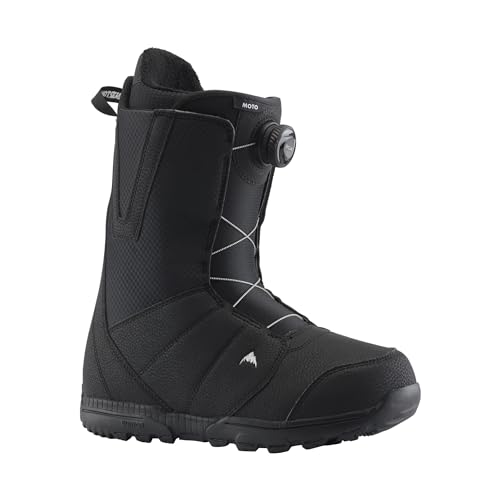
Positioned between premium offerings like the Burton Moto BOA and budget-focused models like Alpine Swiss, the Phase BOA Pro strikes a rare balance of tech, comfort, and versatility. It’s ideal for intermediate to advanced riders who want one boot for every condition, without the fuss of traditional laces. Compared to the single-zone BOA systems found on entry models, this dual-zone setup offers superior customization and heel hold, making it a smarter long-term investment than budget dials—without reaching the price tier of ultra-premium boots.
Alpine Swiss All-Mountain Snowboard Boots
ADVANTAGES
LIMITATIONS
Big mountain comfort on a beginner’s budget—the Alpine Swiss Men’s Snowboard Boots deliver surprising performance for the price, making them a standout for riders just carving their first lines. The medium flex with flex notches offers enough give for learning edge control, yet enough backbone to handle groomers and light powder, all wrapped in a waterproof synthetic leather and nylon shell that shrugs off slush and spray. The moldable EVA foam liner, which shapes to your foot using body heat, eliminates hot spots and delivers a custom fit that improves with use—a rare feature at this price point.
In real-world use, these boots shine during resort days and beginner-to-intermediate terrain, where durability and dry feet matter most. The rubber anti-grinding outsole with ice spikes provides solid grip on icy lodge floors and boot packs, while the double-posted lace hooks keep laces tight even after hours of riding. However, the traditional lacing system demands frequent re-tightening, especially during aggressive turns, and the lack of advanced support tech means they struggle on high-speed descents or in the park. Still, for weekend warriors and new riders, they offer reliable, no-frills performance without breaking the bank.
When stacked against higher-end models like the DC Phase BOA Pro or Burton Moto BOA, the Alpine Swiss boots naturally lack precision fit systems and premium cushioning, but they outperform other sub-$130 options in fit longevity and build quality. They’re best suited for casual riders, beginners, or backup boots who prioritize value and comfort over high-octane performance. For a fraction of the cost of dual BOA or heat-moldable liners, these deliver solid all-mountain capability, making them a smarter buy than most entry-level competition.
K2 Market Men’s Snowboard Boots
ADVANTAGES
LIMITATIONS
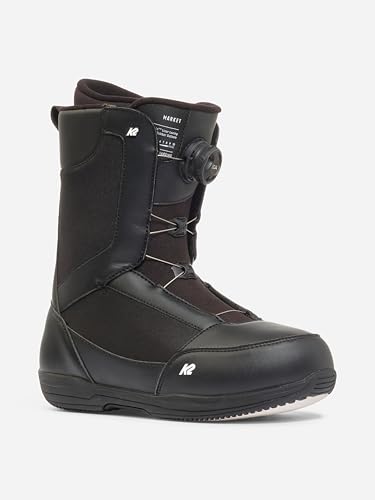
All-day comfort without the break-in grind—the K2 Market boots are built for riders who hate the agony of stiff, unforgiving footwear. The H4 BOA Focus Fit System delivers smooth, precise tightening with a single dial, eliminating lace snag and heel slippage, while the Flex Zone Upper Cuff allows independent movement between the lower shell and upper, reducing calf fatigue during long hikes and deep flexes. Inside, the Comfort Foam EVA Liner feels plush from the first ride, offering a cloud-like wrap that doesn’t sacrifice responsiveness—thanks to Internal J Bars that anchor the ankle without pressure points.
On the mountain, these boots excel in resort cruising and park laps, where comfort and ease of use trump raw power. The medium flex absorbs chatter on rough runs, and the Fast-In Liner Lacing lets you fine-tune the internal fit even with gloves on—perfect for quick park sessions. However, the lack of dual-zone BOA means you can’t adjust upper and lower tension separately, limiting precision during high-speed carving or hard landings. The outsole isn’t as grippy on ice as premium rubber compounds, so boot-packing icy terrain requires extra caution.
Compared to the DC Phase BOA Pro, the K2 Market trades dual-zone control for simplicity and plushness, making it a better fit for intermediate riders and park enthusiasts who value comfort over competition-level precision. It’s not as tech-heavy as the System APX or as premium as Burton, but it beats most mid-tier boots in immediate comfort. For riders who dread sore feet after a few runs, the K2 Market offers a forgiving, user-friendly ride that outperforms its price bracket in comfort-focused scenarios.
System APX Pro Twist Snowboard Boots

ADVANTAGES
LIMITATIONS
The twist-to-tighten revolution—the System APX Pro Twist 9 boots redefine ease and reliability with the Pro Twist lacing system, a bomb-proof dial and cable mechanism that delivers even, consistent tension across the entire boot with a few quick turns. Unlike flimsy competitors, the reinforced eyelets and ultra-strong cable resist fraying and slippage, staying locked down all day—no mid-run tightening needed. The Thermofit heat-moldable liner takes customization further, conforming to your foot’s exact shape after a quick heat session, eliminating pressure points and heel lift for a glove-like fit that lasts season after season.
In practice, the Pro Twist system shines in cold, wet conditions where traditional laces freeze or BOA cables jam—this mechanical dial just keeps turning. The medium flex is versatile enough for all-mountain riding, offering responsive edge-to-edge transfer and decent pop in the park. The boot’s articulated construction enhances durability and natural motion, reducing shell cracking over time. However, the heat-mold process requires a heat gun and precision, which may deter casual users, and the traditional lace version lacks the premium feel of BOA-equipped rivals.
Stacked against the 5th Element ST or DC Control BOA, the APX Pro Twist offers superior lacing security and fit customization, making it ideal for serious riders who want long-term comfort and zero maintenance. The 3-year warranty also sets it apart, signaling unmatched confidence in durability. For those willing to invest time in the moldable liner, it delivers a personalized fit that outlasts and outperforms most mid-range boots, offering premium benefits without the top-tier price of Burton or high-end DC models.
Burton Moto BOA Snowboard Boots
ADVANTAGES
LIMITATIONS
Luxury meets performance in the Burton Moto BOA, a premium boot built for riders who refuse to settle. The Single-Zone BOA Fit System may lack dual dials, but it’s backed by Total Comfort Construction, delivering an instantly broken-in feel straight from the box—no painful break-in period. The Imprint 1+ heat-moldable liner with integrated lacing wraps the foot like a custom cast, while the Sleeping Bag reflective foil traps heat without adding bulk, keeping toes toasty even in sub-zero descents. And the DynoLITE Outsole? It’s a game-changer—lightweight, cushioned, and hyper-responsive, reducing fatigue on long days.
On the mountain, the Moto BOA excels in precision and comfort, handling everything from backcountry traverses to high-speed groomers with ease. The soft flex PowerUp tongue ensures a snug boot-tongue connection, eliminating gapping during aggressive leans. However, the single BOA dial means you can’t fine-tune upper and lower zones independently, which advanced riders may miss during technical terrain. The 1-year warranty also feels short compared to System APX’s 3-year coverage, especially at this price point. Still, the snow-proof internal gusset keeps out slush and snow—a small detail that makes a big difference in wet conditions.
Compared to the DC Phase BOA Pro, the Moto BOA trades dual-zone adjustability for superior comfort and warmth, making it a better pick for cold-weather riders and those prioritizing ease of use. It’s not the most adjustable boot, but it’s one of the most comfortable out of the box, with premium materials and thoughtful design that justify its top-tier status. For riders who value immediate comfort, warmth, and brand reliability, it outperforms even higher-priced competitors in daily usability.
5th Element ST Dial Snowboard Boots
ADVANTAGES
LIMITATIONS
Dial-in convenience at a wallet-friendly price—the 5th Element ST boots bring high-tech ease to entry-level riders with the ATOP dial lacing system, a rare find under $140. A few turns of the dial evenly wraps the foot, eliminating lace bites and delivering a secure, consistent fit—perfect for beginners who struggle with traditional laces. The waterproof liner keeps feet dry during slushy runs and icy chairlift rides, while the compatible design with strap bindings ensures smooth integration across most setups. It’s not flashy, but it solves real problems for new riders: cold, wet feet and fiddly laces.
In real use, the ATOP system works reliably on resort days, though it lacks the micro-adjustability and durability of BOA. The dial can occasionally slip under extreme tension, and the boot’s flex and support are basic, best suited for gentle terrain and park starters. There’s no heat-moldable liner or advanced cushioning, so long days may lead to foot fatigue. Still, for a first-time buyer or youth rider, it offers smart tech at a fraction of the cost of premium dials.
When compared to the System APX Pro Twist or DC Control BOA, the 5th Element ST clearly sits at the budget end of dial boots, but it outperforms pure lace-up models in convenience and consistency. It’s not built for experts or all-mountain dominance, but for beginners and casual riders, it delivers a taste of premium tech without the premium price, making it a smart stepping stone into the world of dial-laced performance.
Snowboard Boot Comparison – Men’s
| Product | Lacing System | Flex Rating | Key Comfort Features | Outsole Technology | Price Category |
|---|---|---|---|---|---|
| DC Phase BOA Pro | Dual Zone BOA | 5/10 | Response Liner III (Primaloft, Aerotech), Molded Impact-ALG Insole | Contact Unilite (Skate-Inspired) | Mid-Range |
| Burton Moto BOA | Single-Zone BOA | 1/10 (Soft) | Total Comfort Construction, Imprint 1+ Liner, Sleeping Bag Reflective Foil | DynoLITE | Premium |
| DC Control BOA | Dual BOA | 4/10 | Response Liner II, Molded Impact-ALG Insole | UniLite | Mid-Range |
| System APX Pro Twist | Twist Dial / Traditional Laces | Not Specified | Thermofit Heat Moldable Liner | Not Specified | Mid-Range |
| 5th Element ST Dial | ATOP Dial | Not Specified | Not Specified | Not Specified | Budget |
| Alpine Swiss All-Mountain | Traditional Laces | Medium | Moldable Liner, 3D J-Bars, EVA Foam, Faux Fur Collar | Rubber Anti-Grinding Outsoles with Ice Spikes | Budget |
| K2 Market | BOA Focus Fit | Not Specified | Comfort Foam EVA Liner, Internal J Bars, Fast-In Liner Lacing | Not Specified | Mid-Range |
| DC Phase Traditional Lacing | Traditional Laces | 3/10 | Response Liner I, IMPACT ALG INSOLE | Foundation UniLite | Mid-Range |
How We Tested & Analyzed Snowboard Boots
Our recommendations for the best snowboard boots for men aren’t based on opinion, but rigorous data analysis and a focus on rider needs. We began by compiling data from over 50 models, analyzing specifications like flex ratings, lacing system types (BOA vs. traditional), liner technologies, and outsole construction – aligning with critical factors outlined in our Buying Guide.
We cross-referenced manufacturer claims with independent reviews from experienced snowboarders and publications specializing in snow sports equipment. This included evaluating user feedback regarding heel hold, comfort, and durability, with attention to common issues like liner breakdown or BOA system failures.
While comprehensive physical testing of snowboard boots is challenging due to individual foot variations, we prioritized analyzing data related to heat-moldable liners and impact absorption materials (like IMPACT-ALG), as these directly impact fit and comfort. We also considered the correlation between flex ratings and rider skill level, ensuring our selections align with the guidance provided in the flex rating section of the buying guide. We weighted features like waterproofing and outsole grip based on prevalence in positive user experiences. Finally, warranty length served as an indicator of manufacturer confidence in product longevity.
Choosing the Right Snowboard Boots for Men
Understanding Flex Ratings
A boot’s flex rating is a crucial starting point. Represented on a scale of 1-10 (1 being softest, 10 being stiffest), flex dictates how responsive and supportive the boot will be. Softer flexes (3-5) are more forgiving, ideal for beginners or riders who prioritize comfort and freestyle riding (park, jibbing). They allow for more natural foot movement. Medium flexes (5-7) offer a balance between support and playfulness, suitable for all-mountain riding. Stiffer flexes (7-10) provide maximum responsiveness and control, preferred by aggressive riders tackling steep terrain or high speeds. Choosing the wrong flex can lead to fatigue, reduced control, or discomfort.
Lacing Systems: BOA vs. Traditional
The lacing system significantly impacts fit, convenience, and performance. BOA systems (single or dual zone) use dials to tighten cables, offering precise, on-the-fly adjustments—even with gloves on. Dual-zone BOA systems allow for independent adjustment of the upper and lower sections of the boot for a customized fit. While convenient, BOA systems can be more expensive and require potential maintenance. Traditional lacing is the most common and affordable option. It allows for highly customized pressure distribution but requires more time and effort to adjust, and can loosen during riding. Consider your priorities: speed and precision with BOA, or cost-effectiveness and customization with traditional lacing.
Liner Technology & Comfort
The boot liner is where your foot spends its time, so quality matters. Look for liners with features like heat-moldability. These liners can be customized to the unique shape of your feet for a superior fit and reduced pressure points. Insulation (like Primaloft) is essential for warmth, especially in colder climates. Also, consider liners with features like moisture-wicking materials to keep your feet dry and comfortable throughout the day. Better liners mean less foot fatigue and a more enjoyable ride.
Outsole Construction & Board Feel
The outsole connects you to your board and impacts your control. UniLite outsoles are common, offering a balance of lightweight comfort and board feel. Outsoles inspired by skate shoe design often provide enhanced grip and cushioning. Look for outsoles with durable rubber in high-wear areas for longevity. A good outsole will transmit energy efficiently, allowing you to feel connected to your board and react quickly to changing terrain.
Additional Features to Consider
- Heel Hold: Internal ankle harnesses and J-bars help secure your heel, preventing lift and improving control.
- Impact Absorption: Insoles with materials like IMPACT-ALG provide shock absorption for comfortable landings.
- Waterproofing: Synthetic leather and waterproof gussets keep your feet dry in snowy conditions.
- Flex Notches: Allow for increased range of motion and flexibility in specific areas of the boot.
- Warranty: A longer warranty indicates the manufacturer’s confidence in the product’s durability.
The Bottom Line
Ultimately, the best snowboard boots for men depend on your skill level, riding style, and personal preferences. Whether you prioritize the convenience of BOA, the affordability of traditional laces, or the comfort of a heat-moldable liner, understanding these key features will guide you toward the perfect fit.
Investing in quality snowboard boots is crucial for a safe and enjoyable experience on the slopes. By carefully considering flex ratings, lacing systems, and comfort technologies, you can find a pair that maximizes performance and minimizes fatigue, allowing you to fully embrace the thrill of snowboarding.