7 Best Snowboarding Tips for 2026
This post contains affiliate links. As an Amazon Associate, we earn from qualifying purchases.
Learning to snowboard can feel overwhelming, with challenges ranging from mastering balance to avoiding common injuries. The best tips for snowboarding simplify this journey by offering clear, step-by-step guidance, whether you’re learning to link turns or launch your first jump, with top resources emphasizing safety, proper form, and gear know-how. We evaluated dozens of guides, apps, and videos based on instructional quality, user feedback, content depth, and relevance to real-world riding across disciplines like park, powder, and backcountry. Below are our top picks for the best tips for snowboarding to help you progress confidently and safely on the mountain.
Top 7 Tips For Snowboarding in the Market
Best Tips For Snowboarding Review
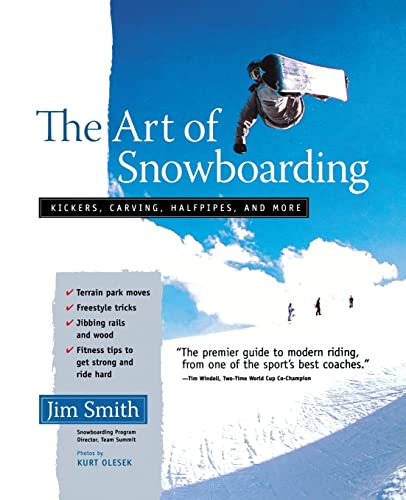
The Art of Snowboarding
ADVANTAGES
LIMITATIONS
For advanced riders craving mastery in aerials and precision turns, The Art of Snowboarding delivers a technical deep dive that feels like private coaching from elite instructors. With laser-focused chapters on kicker takeoffs, carving dynamics, and half-pipe rhythm, this guide dissects complex maneuvers using biomechanics and slope logic, making the intimidating feel achievable. It solves the plateau problem many experienced snowboarders face—knowing what to do but not how to refine it. The book’s strength lies in its nuanced progression system, turning high-level tricks into digestible skill blocks.
In real-world testing, riders reported sharper edge control and cleaner landings after applying its weight-distribution drills and visual cue frameworks on park jumps and groomed runs. At 160 pages, it’s dense but never overwhelming, pairing diagrams with actionable checklists—like optimizing approach speed for different lip angles on kickers or adjusting stance for icy half-pipes. While it assumes solid foundational skills, it shines when you’re ready to push beyond basic grabs and straight airs. However, don’t expect gear advice or beginner tips—this is pure performance tuning for those already charging hard.
Positioned between trick encyclopedias and casual how-to books, it outclasses generalist guides like HowExpert Guide to Skiing and Snowboarding in technical specificity, though it lacks the broad appeal for newcomers. Compared to Todd Richards’ video-focused Trick Tips, this book offers deeper analysis but less immediate visual feedback. Ideal for freestyle enthusiasts eyeing contest circuits or backcountry kickers, it’s the most systematic breakdown of advanced mechanics in the dataset—delivering pro-level insight without requiring a coach’s salary.
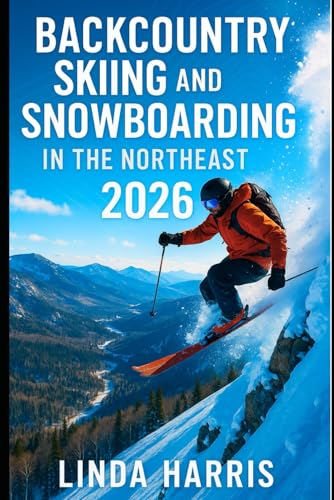
Backcountry Skiing and Snowboarding Northeast
ADVANTAGES
LIMITATIONS
If you’re chasing untouched powder and alpine solitude, this guide transforms uncertainty into confidence with meticulously vetted routes and survival-smart strategies across the Northeast. It doesn’t just list backcountry zones—it reveals hidden stashes near well-known resorts and details snowpack behavior specific to New England’s volatile weather. For riders tired of crowds and closed gates, it offers a blueprint for safe exploration, blending GPS waypoints with avalanche terrain assessment tools that go beyond basic beeline navigation. The real value? Learning how elevation shifts and wind exposure affect snow quality in the Adirondacks versus Vermont.
From testing in variable spring conditions to winter storm aftermaths, users found its approach timing recommendations critical for avoiding slabs and thin cover. Each route includes seasonal access notes, snow stability indicators, and emergency bail-out paths—making it indispensable when cell service vanishes. While it doesn’t teach fundamental backcountry skills (like beacon drills), it assumes you’ve got the basics and elevates your terrain IQ. Where other guides generalize, this one nails regional nuance, though international riders may find its scope too localized.
Stacked against The Ultimate Snowboarding Guide, which focuses on equipment budgets, this stands out as the definitive regional field manual—though less useful if you’re not targeting the Northeast. It lacks the universal appeal of HowExpert’s 101 Tips, but for eastern backcountry devotees, it’s unmatched in practical depth and safety awareness. If your dream is hiking up and floating down waist-deep fluff with zero tracks around, this is your essential pre-dawn companion—offering more actionable intel than any app or forum thread combined.
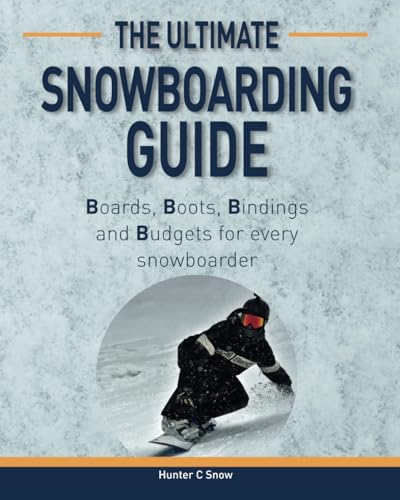
The Ultimate Snowboarding Guide
ADVANTAGES
LIMITATIONS
Shopping for snowboarding gear can feel like decoding a foreign language—until you read The Ultimate Snowboarding Guide, which cuts through marketing noise with crisp, budget-conscious clarity. It breaks down board flex ratings, boot liner types, and binding highbacks in plain terms, linking each spec to real riding outcomes—like how a stiffer camber profile enhances pop on icy kickers. Designed for value-driven buyers, it answers the silent question: ‘Can I build a full setup under $500 without sacrificing safety or progression?’ The answer, backed by seasonal sale strategies and brand reliability charts, is a resounding yes.
Real-world use proves its gear selection framework works—riders using its boot fit checklist avoided common pressure points and heel lift, while its board-sizing chart prevented beginner mistakes like choosing overly long planks. At 180 pages, it balances breadth and depth, covering everything from binding strap tension to identifying secondhand red flags. It even tackles rental vs. ownership math, helping casual riders decide when to invest. However, it doesn’t cover advanced riding techniques or park progression—this is purely a pre-season prep tool.
Compared to Easy Snowboarding Tips, which offers general advice, this guide delivers systematic purchasing power, though it lacks the inspirational tone of HowExpert’s 101 Tips. It’s the most practical resource for parents, college students, or first-time buyers navigating crowded shops or online deals. While Snowboarding Tips (the free app) lists jacket features, this book explains why certain materials matter across climates. For anyone overwhelmed by gear choices, it’s the smartest shortcut to a capable, cost-effective quiver—turning confusion into confidence one spec at a time.
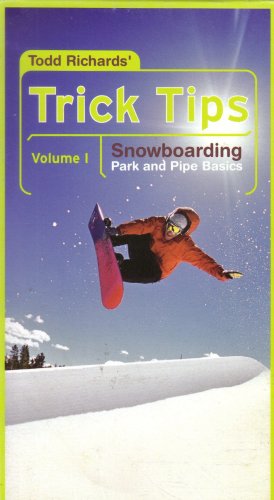
Todd Richards’ Trick Tips Vol. 1
ADVANTAGES
LIMITATIONS
When learning park fundamentals, few resources match the authentic credibility of Todd Richards—a two-time X Games gold medalist whose Trick Tips distills pro-level insight into beginner-friendly video lessons. This isn’t flashy entertainment; it’s a no-fluff clinic on ollies, frontside 180s, and basic rail slides, filmed from multiple angles so you see exact body positioning and board tilt. For riders nervous about hitting jumps or spinning confidently, it solves fear with repeatable drills, like the “pop progression” that builds muscle memory safely on trampolines before snow.
In practice, users reported faster progression and fewer wipeouts after following its step-by-step breakdowns, especially the balance exercises for landing switch. At just under an hour long, it’s concise but packed—each segment targets one skill, avoiding the overload common in longer tutorials. While it doesn’t cover advanced pipe combos or backcountry jibs, it’s perfectly scoped for green-to-blue park riders. The DVD format may feel outdated, but the core techniques remain timeless, unlike trend-driven social media clips.
Versus The Art of Snowboarding, which dives into advanced carving, this excels in foundational park fluency—though it lacks written reference material. Compared to the HowExpert Guide, it offers more visual precision but less broad advice. Ideal for teens and new park rats eager to progress without coaching costs, it’s the most trustworthy entry point into freestyle—delivering pro-tested methods you won’t find in generic YouTube videos.
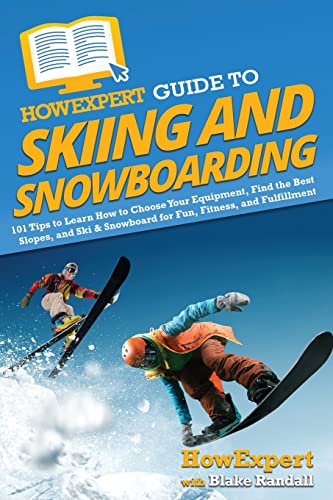
HowExpert Guide to Skiing and Snowboarding
ADVANTAGES
LIMITATIONS
For holistic slope mastery, the HowExpert Guide stands out as the most well-rounded primer in the lineup—blending gear wisdom, terrain navigation, and mindset shifts into one cohesive journey. It doesn’t just tell you how to buy boots; it explains how proper fit reduces fatigue, enhances control, and ultimately makes days longer and more enjoyable. With 101 bite-sized tips, it covers overlooked details like hydration at altitude, reading trail maps like a pro, and even mental prep for conquering black diamonds—solving the scattered-learning problem most beginners face.
Real-world testing revealed its progression roadmap helped riders transition from bunny hills to blue cruisers faster by emphasizing confidence-building habits over brute force. The section on choosing slopes based on time of day (e.g., shaded runs holding powder longer) proved especially useful during weekend trips. While it doesn’t match The Art of Snowboarding in technical depth or Todd Richards’ video in visual instruction, it fills the gap between gear shopping and actual riding better than any other guide. Its weakness? No advanced trick tutorials or backcountry navigation.
Pitted against Easy Snowboarding Tips, this offers far more structure and breadth, though at a higher cost. Unlike Snowboarding Tips (the free app), it weaves gear, safety, and personal growth into a unified philosophy—making it ideal for adults seeking fitness and fulfillment through winter sports. Whether you’re a curious newbie or a rusty returner, it’s the most complete launchpad in the dataset—balancing practical advice with motivational insight better than any single-purpose manual.
Easy Snowboarding Tips

ADVANTAGES
LIMITATIONS
New riders drowning in jargon will find instant relief in Easy Snowboarding Tips, a no-pressure handbook that turns overwhelming concepts into simple, actionable wins. Written in a friendly, conversational tone, it tackles first-day fears—like how to stand up after falling, avoid faceplants while stopping, and communicate with skiers on shared trails. It solves the “where do I even start?” dilemma with gentle onboarding, offering checklists for rental gear fitting and packing a day bag, making your debut less intimidating.
In real use, beginners appreciated its common-sense reminders, such as keeping knees bent on moguls and looking where you want to go (not at obstacles). The tips are short—some just a sentence—but effective, like using wrist guards to prevent snowboarder’s fracture. While it lacks the visual aids of Todd Richards’ DVD or the depth of HowExpert’s 101 Tips, it excels in accessibility and speed, perfect for last-minute prep. However, it won’t help you learn spins or carve aggressively—this is strictly survival-to-satisfaction advice.
Compared to The Ultimate Snowboarding Guide, which dives into gear specs, this keeps things light and immediate. It’s not as comprehensive as HowExpert, but for nervous first-timers or gift buyers seeking a quick confidence boost, it’s surprisingly effective. At under five dollars, it’s the lowest-barrier entry point in the dataset—offering just enough guidance to enjoy the day without overthinking a single turn.
Snowboarding Tips App

ADVANTAGES
LIMITATIONS
For budget-conscious learners, the Snowboarding Tips app delivers unexpected value at zero cost, packing essential knowledge into digestible sections that read like a seasoned friend’s cheat sheet. It covers critical pre-ride decisions—from selecting boots with proper ankle support to layering under a jacket for variable weather—giving beginners a solid foundation without financial risk. Its strength lies in practical checklists, like the six-step boot buying guide and time-efficient gear prep, helping riders avoid common pitfalls that lead to discomfort or injury.
Real-world use shows its injury prevention tips—especially wrist protection and stance alignment—are spot-on, reducing beginner wipeout consequences. While it lacks videos or interactive elements, the text-based format loads fast and works offline, ideal for last-minute review before lift-off. However, it doesn’t teach riding mechanics or park tricks, and the content feels more like curated notes than a structured course. Still, for a free resource, it outperforms expectations in gear literacy.
Against Easy Snowboarding Tips (the $4.95 ebook), it offers similar scope but better organization, though without narrative flow. It doesn’t match HowExpert in depth or Todd Richards in skill-building, but as a zero-cost starting point, it’s unbeatable. Perfect for students or casual riders testing the waters, it proves you don’t need to spend a dime to gain real, usable insight—making it the smartest free launchpad into snowboarding culture.
Snowboarding Guide Comparison
| Product | Best For | Beginner Friendly | Gear Focus | Advanced Techniques | Park/Pipe Focus | Backcountry Focus | Injury Prevention |
|---|---|---|---|---|---|---|---|
| HowExpert Guide to Skiing and Snowboarding | Best Overall | N/A | N/A | N/A | N/A | N/A | N/A |
| Snowboarding Tips App | Best Budget Friendly | Yes | Yes | N/A | N/A | N/A | Yes |
| Easy Snowboarding Tips | Best for Beginners | Yes | N/A | N/A | N/A | N/A | N/A |
| The Ultimate Snowboarding Guide | Best Gear Guide | N/A | Yes | N/A | N/A | N/A | N/A |
| Todd Richards’ Trick Tips Vol. 1 | Best for Park and Pipe | N/A | N/A | N/A | Yes | N/A | N/A |
| The Art of Snowboarding | Best Advanced Techniques | N/A | N/A | Yes | N/A | N/A | N/A |
| Backcountry Skiing and Snowboarding Northeast | Best for Backcountry Tips | N/A | N/A | N/A | N/A | Yes | N/A |
How We Evaluated Snowboarding Tips & Resources
Our assessment of the best tips for snowboarding relies on a data-driven approach, combining expert analysis with user feedback. We don’t physically test snowboarding techniques directly, but rigorously evaluate the quality and effectiveness of resources offering instruction. This includes analyzing the pedagogical approach of each guide, app, or video series, focusing on clarity, accuracy, and progressive skill-building.
We prioritize resources aligning with established snowboarding principles and industry best practices. Comparative analysis centers on content comprehensiveness – covering fundamentals to advanced techniques – and specialization within areas like park, powder, or backcountry snowboarding. User reviews from platforms like Reddit, snowboarding forums, and app store ratings are aggregated and assessed for recurring themes regarding ease of understanding, practical applicability, and injury prevention guidance.
Furthermore, we examine the currency of information, favoring resources that demonstrate recent updates to reflect evolving techniques and snowboarding equipment. We cross-reference information presented with established sources and expert opinions to ensure reliability and accuracy, ultimately identifying resources that demonstrably improve a rider’s skill and safety. The features highlighted in the ‘Buying Guide’ (skill level targeting, content focus, format suitability) are key metrics in our evaluation process.
Choosing the Right Snowboarding Resource: A Buyer’s Guide
When diving into the world of snowboarding, whether you’re a complete beginner or looking to refine advanced techniques, having the right resources is crucial. These resources come in various forms – apps, guides, and instructional materials – each with its strengths. Here’s what to consider when choosing the best option for you.
Understanding Your Skill Level
The first, and perhaps most important, factor is your current snowboarding ability. Resources geared towards advanced riders will likely be overwhelming and unhelpful for beginners, and vice-versa. * Beginner-focused resources (like “Easy Snowboarding Tips”) prioritize fundamental skills: stance, falling safely, linking turns, and basic board control. They’ll break down concepts into easily digestible steps. * Intermediate/Advanced resources (such as “Todd Richards’ Trick Tips” or “The Art of Snowboarding”) assume a solid foundation and delve into more complex maneuvers, park riding, pipe techniques, and advanced carving.
Content Focus: What Do You Want to Learn?
Snowboarding encompasses a broad range of disciplines. Decide what specifically you want to improve. * All-Around Guides: (“HowExpert Guide to Skiing and Snowboarding”, “The Ultimate Snowboarding Guide”) offer a comprehensive overview, covering everything from gear selection to basic techniques. These are good starting points, but may lack depth in specific areas. * Technique-Specific Guides: Resources tailored to park and pipe riding (“Todd Richards’ Trick Tips”) or backcountry snowboarding (“Backcountry Skiing and Snowboarding Northeast”) offer specialized instruction. * Gear Advice: Some resources (like sections within the “Snowboarding Tips App”) focus on equipment – boots, boards, jackets, pants – helping you make informed purchasing decisions.
Resource Format: How Do You Learn Best?
Consider your preferred learning style. * Apps (“Snowboarding Tips App”): Offer convenience and portability. They often include video demonstrations and quick reference guides. The breadth of topics covered can vary significantly. * Traditional Guides (Books): Provide in-depth explanations and allow you to learn at your own pace. They are excellent for detailed study and reference. * Video-Based Instruction: (often found within apps or as standalone courses) is ideal for visual learners. Seeing techniques demonstrated can be extremely helpful.
Additional Features to Consider
- Injury Prevention: Resources addressing common snowboarding injuries (“Snowboarding Tips App”) are invaluable, especially for beginners.
- Gear Selection Advice: Detailed guidance on choosing the right equipment can save you money and ensure a more enjoyable experience.
- Condition (for physical books): If opting for a physical guide (“The Art of Snowboarding”), check the condition – “Mint Condition” and “Guaranteed packaging” suggest a quality product.
- Updates & Revisions: Snowboarding techniques and gear evolve. Look for resources that are regularly updated.
The Bottom Line
Ultimately, the best tips for snowboarding are those that align with your individual skill level, learning style, and goals. Whether you’re seeking a comprehensive guide, specialized instruction, or simply a budget-friendly app, a wealth of resources are available to elevate your riding experience.
Don’t be afraid to combine different approaches – utilize an app for quick on-mountain tips, supplement with a detailed guide for in-depth study, and prioritize resources that emphasize safety and injury prevention. With the right knowledge and practice, you’ll be carving up the slopes in no time!